Garage storage for renters: plan before drilling
Start with portable storage and check the rules before mounting anything.
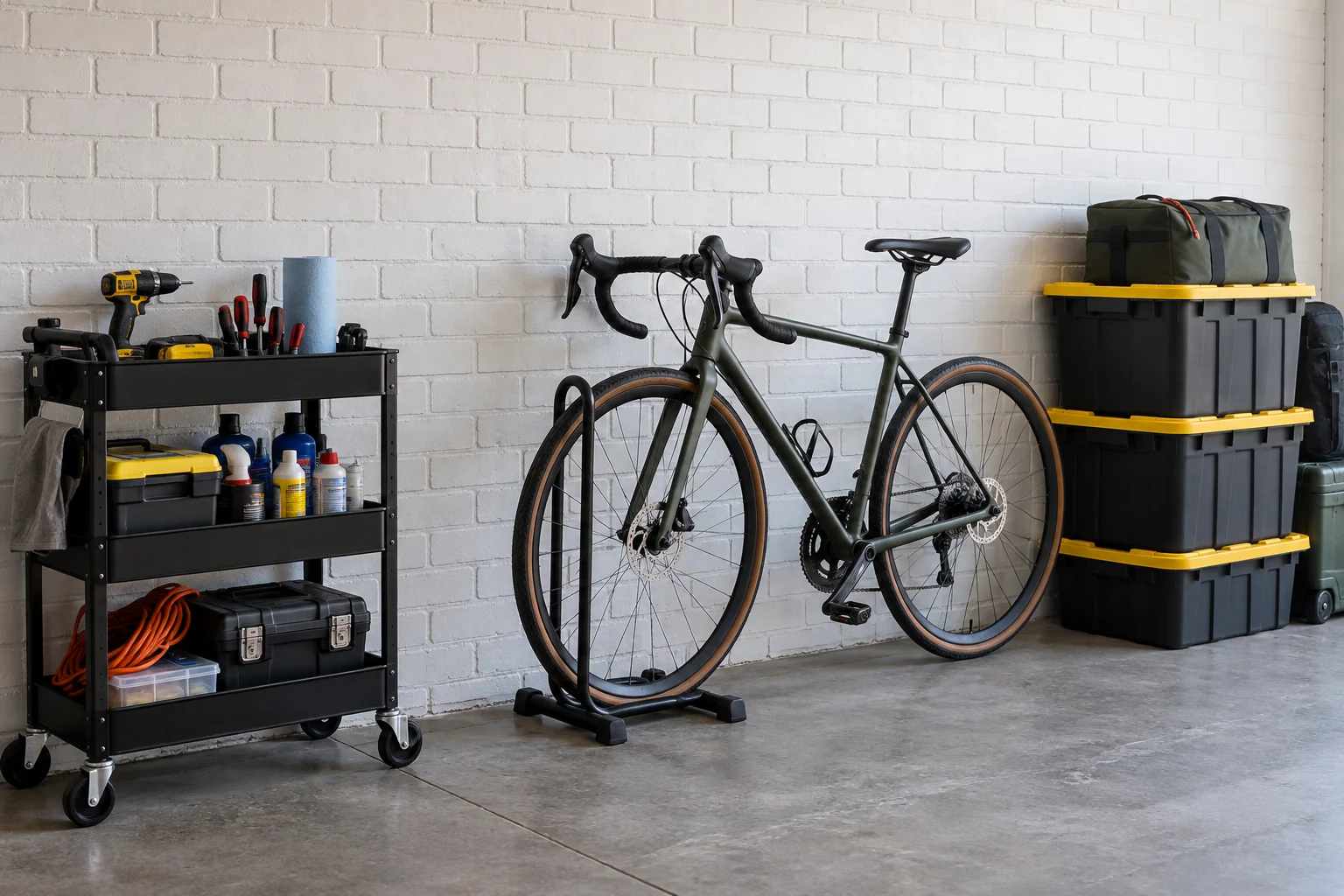
Renting does not mean living with a garage that cannot function, but “no drill” should not become an excuse to ignore a product’s installation requirements. Start with movable containers, floor-based equipment storage, and a compact work area. Read your lease and ask for written permission when a useful solution needs fixings. The aim is a layout you can maintain now and take with you later without compromising stability.
Work with portable zones first
Sort your belongings into activities and assign each a portable home. A tool tote can make a small repair kit more usable than a permanent wall display. A stable floor rack may suit sports equipment that would otherwise need mounted brackets. Keep daily items close to the entrance and store occasional supplies farther away. Try the layout with your existing boxes before choosing new furniture. Measure the moving route as well as the destination so the eventual storage can leave through the door when your tenancy ends.
Treat mounting claims carefully
Check the exact surface and installation instructions before trusting any adhesive, tension, magnetic, or freestanding product. A label saying “removable” does not guarantee compatibility with your paint or wall finish, and a freestanding cabinet may still require anchoring. CPSC’s tip-over guidance makes that distinction important. If anchoring is required and permission is unavailable, select another storage format rather than skipping the attachment. Do not improvise an overhead system from unrelated hooks. Record proposed fixing locations and obtain approval before any installation that changes the property.
Make the layout easy to reverse
Keep original hardware and instructions in a labeled envelope attached to each storage item. Favor containers that fit more than one possible room, and avoid buying an entire system around a single unusual wall recess. Document the garage condition before changes and keep permissions with your tenancy records. Revisit the layout after an ordinary week: can you return tools with one hand, reach the equipment you use most, and move the car without shifting boxes? Improve those routines before adding decorative storage that creates another place to collect clutter.
Before you begin
- Read the lease and storage rules.
- Test a portable layout.
- Check every product’s mounting requirements.
- Get written approval for alterations.
- Save hardware and installation documents.
The best rental solution is portable, stable, and appropriate for the building. You can achieve a useful garage with fewer permanent changes when you organize around activities and keep every purchase connected to a real need.
CPSC: preventing furniture tip-overs
Plan your project with Remendia